Imagine standing in your workshop with perfectly cut pieces of wood ready for assembly, yet stuck because you lack a clear blueprint to guide your cuts and joinery.
You're not alone; countless DIY enthusiasts face this frustration when relying on vague instructions or memory alone.
This comprehensive guide will help you navigate the digital marketplace to find reliable woodworking plans that fit your skill level, budget, and project needs.
By the end of this article, you'll have a clear strategy for selecting affordable project blueprints that deliver measurable results in your next build.
In this article:
- Understanding Digital Woodworking Plans
- Benefits of Buying Online Immediately
- Evaluating Plan Quality Before Purchase
- Comparing Price Points and Value
- Accessing Plans on Multiple Devices
- Frequently Asked Questions
- Key Points To Remember
Understanding Digital Woodworking Plans
Understanding digital woodworking plans requires recognizing that these files offer immediate entry to project instructions without shipping delays. Unlike traditional printed books found at lumberyards or bookstores, digital patterns arrive directly to your device the moment payment clears. This instant access means you can start a weekend project on Friday evening rather than waiting for mail delivery.
What's Included in Digital Files
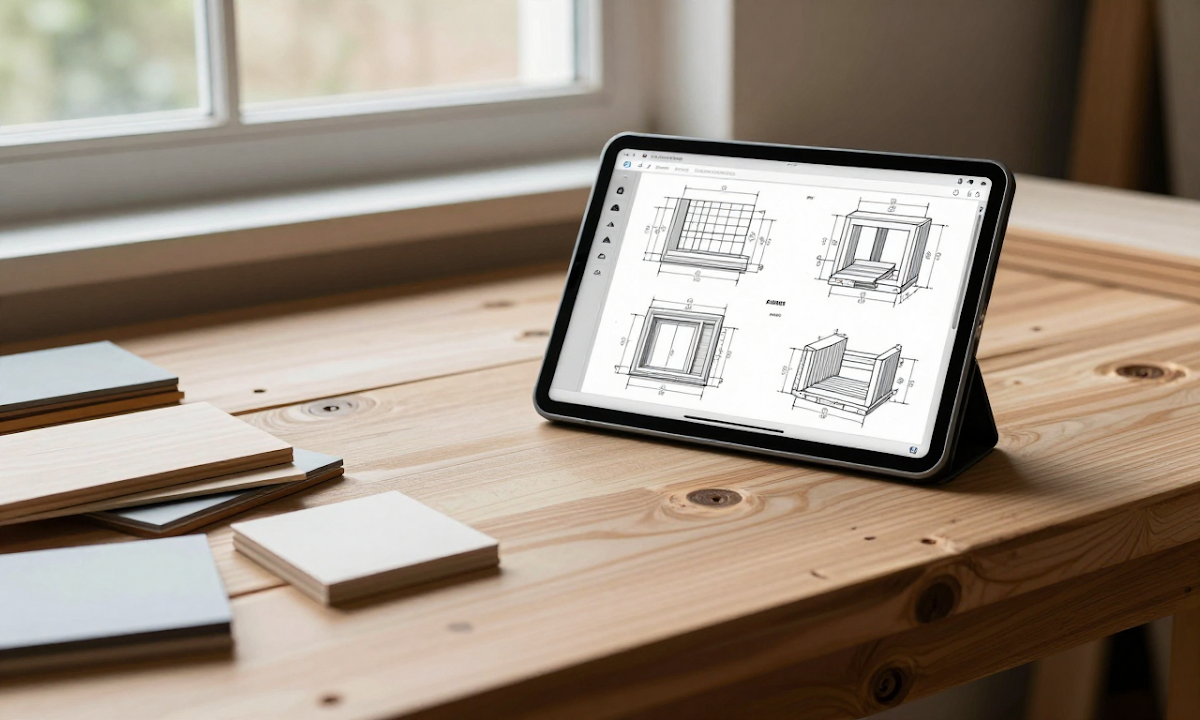
Most online collections provide high-resolution PDF documents containing step-by-step instructions, detailed diagrams, and often cut lists with precise measurements. Some premium sources include video tutorials or 3D model files that help visual learners understand construction sequences before cutting any wood. The files typically organize projects by difficulty level, allowing beginners to find beginner-friendly builds while more experienced makers can locate advanced joinery challenges.
The primary difference between physical books and digital plans lies in searchability and customization. Digital files allow you to use your device's search function to quickly locate specific dimensions or techniques within a collection containing dozens of projects. You can also print only the pages you need, save favorite instructions electronically, or access patterns while working at any location with internet connectivity.
Quality varies significantly across different online vendors, so checking reviews and sample pages before purchasing becomes essential. Reputable sources often provide preview images showing actual finished projects alongside technical drawings of joinery methods used in the build instructions.
Benefits of Buying Online Immediately
One of the primary advantages of purchasing woodworking project files online is immediate availability. Unlike traditional methods that require shipping time or a trip to a local store, you receive your materials the moment payment clears. This eliminates weeks of waiting for postal delivery and removes the need to travel during off-hours when physical retailers are closed.
Saving Time on Logistics
- No Shipping Delays: Mail-order plans can take anywhere from three to ten business days to arrive, depending on carrier efficiency and location. Digital files bypass this entirely.
- No Store Travel: Visiting a hardware store or specialty shop requires leaving work, managing commute time, and potentially dealing with traffic. Online access works during your own schedule.
- Instant Research Access: You can compare multiple plan collections without physically visiting different retailers or waiting in lines at checkout counters.
The convenience factor significantly impacts project completion rates. When a beginner receives plans immediately, they can begin preparation right away rather than delaying the build due to logistical frustrations. This momentum helps maintain interest and prevents projects from being abandoned while materials are still in transit.
Flexibility in Project Timing
Instant access allows woodworkers to align project start dates with their availability. If you discover a plan on a Friday evening, you can begin preparation over the weekend without any gap caused by shipping delays. This flexibility is particularly valuable for those balancing work commitments with hobby time.
Additionally, digital plans often include searchable text and organized file structures that are easier to review quickly than printed catalogs or physical books found in stores. You can open multiple files simultaneously on a computer screen without the bulk of carrying several physical publications home from a retail location. This efficiency makes online purchases particularly appealing for those who value time management alongside quality craftsmanship.
Evaluating Plan Quality Before Purchase
Evaluating plan quality before purchase is essential to avoid frustration and wasted materials. Since these projects involve cutting wood, a single incorrect dimension can ruin an entire piece.
Check Detailed Dimensions
- Look for precise measurements: Quality plans include exact lengths, widths, and thicknesses with tolerance notes (e.g., "cut to 1/8 inch"). Avoid plans that only list rough sizes like "make it about 2 feet long."
Vague instructions often lead to guesswork. When dimensions are clearly stated in both imperial and metric units, the plan demonstrates professionalism and care for international readers.
Verify Joinery Instructions
- Examine diagram clarity: Check if the plan includes step-by-step illustrations showing how pieces fit together. Look for detailed explanations of techniques like dovetails, mortise and tenon, or pocket holes.
Poor plans may show only final product photos without explaining the construction process. If joinery steps are unclear or missing, assume the instructions will be inadequate when you actually build it.
Review Material Lists
- Look for complete bills of materials: Quality plans provide a comprehensive list of every piece needed, including exact quantities and suggested wood types.
A vague material list might simply state "use 4x4 posts" without specifying the actual number required. Complete plans often include notes on board widths available at local lumberyards and whether to buy rough-sawn or finished lumber.
Inspect Technical Specifications
- Check for technical details: Look for information about wood movement, fastener spacing, hardware recommendations, and finishing suggestions appropriate for the project type.
Plans that skip these practical considerations often lack real-world testing. A quality plan will explain why certain dimensions matter structurally or aesthetically.
Taking time to review these details before purchase saves both money and effort. Even experienced woodworkers prefer comprehensive plans over those requiring significant adaptation.
Comparing Price Points and Value
When considering how to acquire woodworking instructions, understanding the economics behind each purchasing method is essential for budget-conscious makers. This section examines the financial implications of buying comprehensive plan collections versus traditional printed pattern books.
Cost Per Project Analysis
- Digital Collections: Purchasing an online archive typically costs between $20-$50, providing hundreds to thousands of projects. This results in a cost per project ranging from 1 cent to less than a quarter.
- Physical Pattern Books: A single printed woodworking book ranges from $30 to $80 but usually contains only 20-40 projects. The resulting cost per project often exceeds $1.50 and can reach several dollars for specialized titles.
The mathematics clearly favor digital collections when a maker intends to complete multiple projects throughout the year. However, this economic advantage assumes the buyer will utilize the full library rather than purchase and never use most of the content.
Beyond Raw Cost
- Upfront Investment: Physical books require immediate payment for each title, while digital subscriptions or one-time purchases often allow gradual access within a paid archive.
- Storage and Maintenance: Printed materials occupy valuable shelf space and degrade over time. Digital files require minimal physical maintenance and can be accessed indefinitely without wear.
- Search Efficiency: Finding specific dimensions or techniques in digital formats takes seconds, whereas searching through multiple printed volumes requires significant manual effort.
Beginners should consider their long-term project goals when making purchasing decisions. A hobbyist planning to build furniture regularly will find the per-project savings substantial over time. Conversely, someone seeking only one or two specific projects might find traditional books more cost-effective despite higher per-project costs.
Accessing Plans on Multiple Devices
Modern woodworking requires flexibility, especially when you need quick access to your project details while working at different stations around your shop or home.
Multi-Device Compatibility
- Download immediately after purchase so files are available on any device with internet connectivity.
- Store PDFs in cloud services like Google Drive, Dropbox, or Apple iCloud for universal access.
- Print selectively critical measurements and diagrams before building begins.
The downloaded files should open smoothly on tablets mounted to workbenches, computers at your drafting table, and smartphones stored in tool pouches. Each device serves a different purpose during construction phases.
Practical Setup Strategies
- Create a dedicated folder named after the project for quick navigation across devices.
- Use mobile-optimized plans that display clearly on smaller screens without excessive scrolling.
- Take photos of your screen showing critical dimensions before moving between work areas.
Having all specifications readily available prevents unnecessary measurements and reduces errors caused by poor handwriting or memory lapses. The convenience of accessing the same document from multiple devices means you can verify a cut dimension at the table saw, check assembly instructions while clamping, or review joinery details during sanding without hunting for printed copies.
This flexibility is particularly valuable when working in garages, sheds, or outdoor workshops where permanent desk setups aren't always available. Keep your tablet mounted to a workbench and have phone plans ready for quick reference during complex assembly phases.
Frequently Asked Questions
Are instant download woodworking plans as detailed as printed books?
Instant download woodworking plans are often equally detailed as printed books when created by professional designers. Most include complete step-by-step instructions, precise measurements, cut lists, and joinery diagrams in PDF or interactive format. Digital formats can even include video links and revision updates. The key is choosing reputable sources rather than assuming all free downloads match published book quality.
Can I access my purchased plans offline after downloading them?
Yes, you can access your purchased woodworking plans offline after downloading them. Since digital woodworking patterns are stored as PDF files on your device, they don't require an internet connection for viewing or printing. Save the file to your computer, tablet, or smartphone immediately after purchase. These affordable project blueprints will remain permanently accessible even without Wi-Fi or cellular service.
Do digital plan collections include video tutorials or just written instructions?
Digital plan collections vary significantly in content. Basic affordable project blueprints typically provide detailed written instructions with dimensions and cut lists. Video tutorials are generally reserved for premium collections or specific advanced techniques. Always review the product description to confirm whether instant download plans include supplementary video content before purchasing. Some creators offer optional video add-ons separately.
Key Points To Remember
When deciding to purchase digital woodworking resources, prioritize quality and clarity over price alone.
- Evaluate plan content by checking for detailed diagrams, material lists, and step-by-step instructions before buying.
- Select reputable sources that provide preview pages or customer reviews to verify accuracy and completeness.
- Purchase only when ready since digital files are non-refundable once downloaded in most cases.
Buying woodworking plans online offers immediate access to a wide range of project designs, from simple boxes to complex cabinetry. By taking the time to assess your needs and research available options, you ensure that each purchase adds genuine value to your workshop projects. This approach saves money and prevents frustration with poorly documented instructions.
0 comments:
Post a Comment
Note: Only a member of this blog may post a comment.